
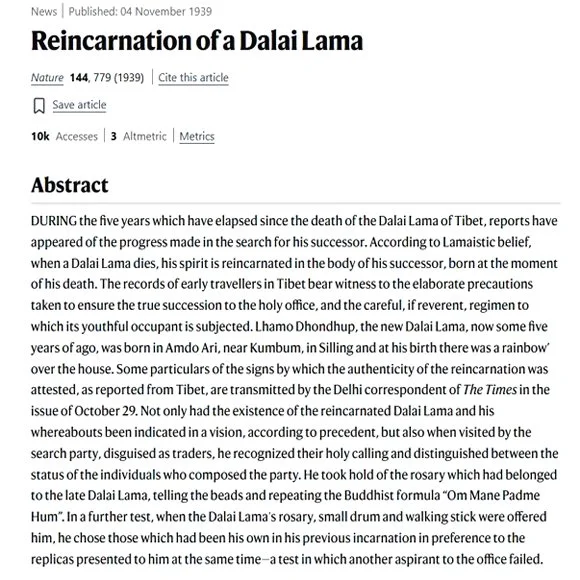
Reincarnation and Quantum Yogi
Consciousness cannot be accounted for in physical terms.
For consciousness is absolutely fundamental.
It cannot be accounted for in terms of anything else.
Erwin Schrödinger

You Can’t Park There Mate!
“The willing are led by fate, the reluctant are dragged.”
Cleanthes of Assos, Hymn to Zeus

White Barbarians – P’heling-pa
"Fear is the path to the dark side...fear leads to anger...anger leads to hate...hate leads to suffering."
"Judge me by my size, do you?"

Transmigration and Emanation
For life and death are one, even as the river and the sea are one.
Khalil Gibran

Why the Tibet Vibe Again?
“As in music, when we hear the crescendo building, suddenly if the music stops, we begin to hear the silence as part of the music.”
Chögyam Trungpa
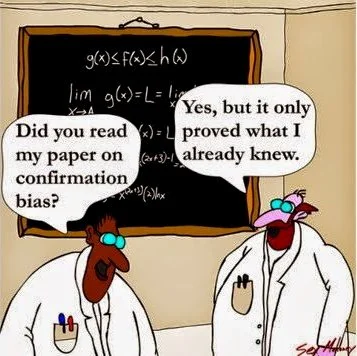
Die spukhafte Fernwirkung – Hidden Scrolls
In Tibetan Buddhism, a Tertön is a person who is a discoverer of ancient hidden texts or terma. Many tertöns are considered to be incarnations of the twenty five main disciples of Padmasambhava (Guru Rinpoche), who foresaw a dark time in Tibet. He and his consort Yeshe Tsogyal hid teachings to be found in the future to benefit beings. A vast system of transmission lineages developed. Scriptures from the Nyingma school were updated by terma discoveries, and terma teachings have guided many Tibetan Bon and Buddhist practitioners.
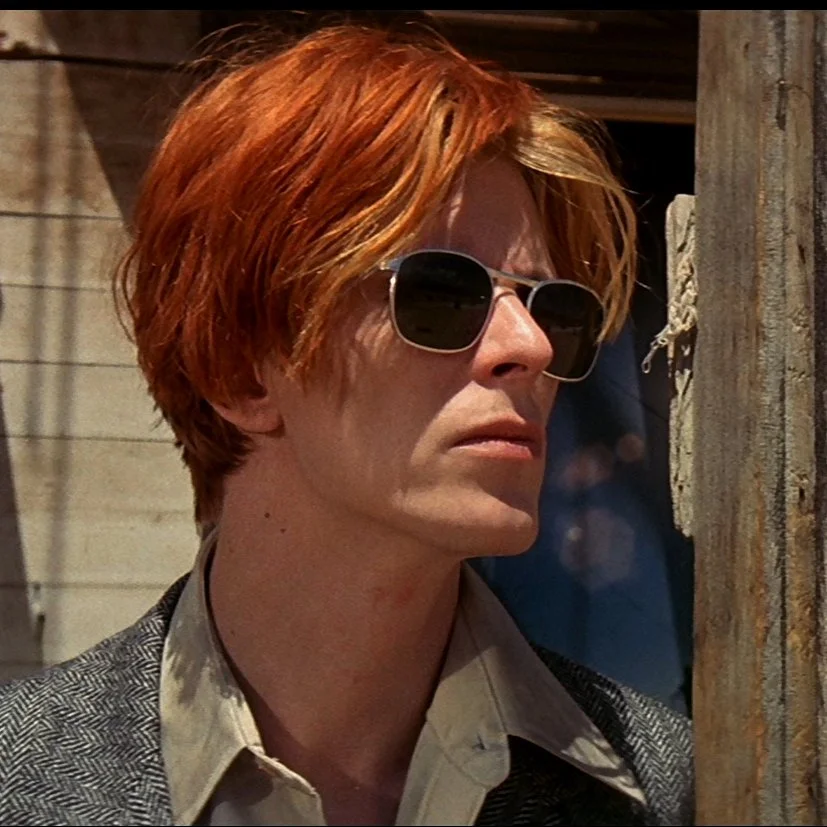
Patents – The Man Who Fell to Earth
The First Insight
Toltecs have long been contemplating the deeper implications inherent within the act of incarnation. Although it is true that, since they are attached to the wheel of rebirth, the majority of beings have no choice in this matter, how do we define the urge that drives free beings into incarnation as if they too have no choice?

Waking From the Animus
The human ability to make things can be compulsive.
Just because we can or might, it does not necessarily make it a good idea.
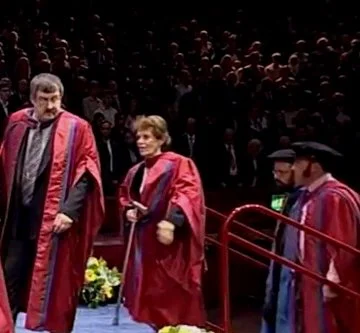
Previous Incarnations – Former Abodes
In the Pali Canon the three knowledges or wisdoms (tevijjā or tivijjā) are:
1. "Remember one's former abodes" (pubbe-nivāsanussati);
2. "Divine eye" (dibba-cakkhu); and,
3. "Extinction of mental intoxicants" (āsavakkhaya).

What is an Emanation ?
In a strict sense, tulku is a Tibetan translation of the Sanskrit nirmāṇakāya, which refers to the "transformation" or "emanation body" of a Buddha.
Tulku is therefore the physical "form in which a Buddha appears to ordinary beings.”